
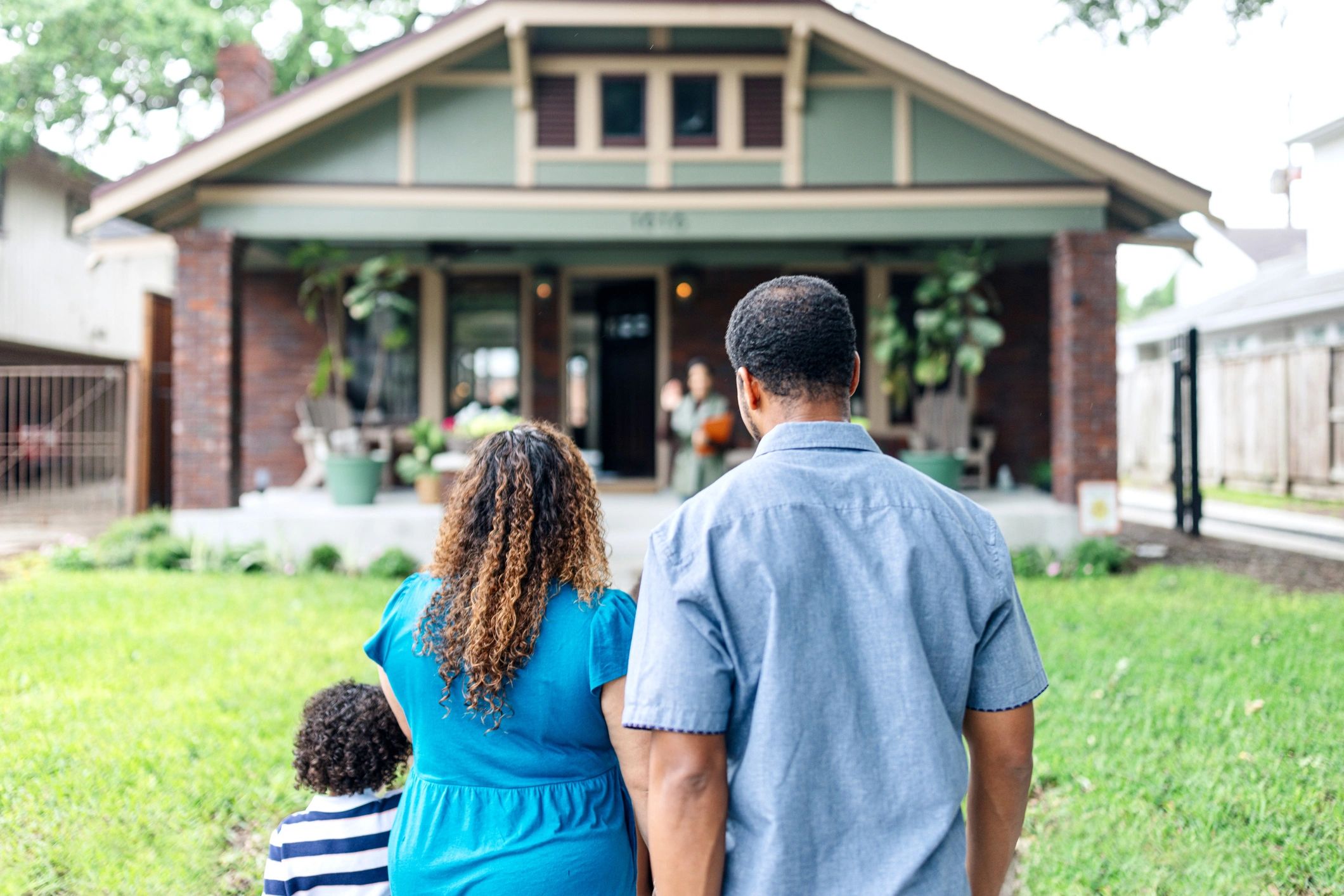
Taking the Leap: Your First Home, Your Future
Buying your first home is one of life’s most exciting milestones—blending the thrill of independence with the long-term promise of stability and investment growth. For many, it’s not just about finding a place to live, but about building equity, customizing a space that reflects personal style, and planting roots in a community. Yet, the journey from browsing listings to holding the keys can feel overwhelming, especially in competitive markets across cities like San Diego, Austin, and Seattle, where demand often outpaces inventory.
First-time buyers commonly face challenges like saving for a down payment, navigating pre-approval processes, and understanding market fluctuations. On top of that, different loan types—such as FHA, conventional, or VA—come with unique requirements that can impact monthly payments and eligibility. This guide breaks down the process into clear, actionable steps, helping you:
- Assess your financial readiness and credit health
- Understand local homebuying trends and pricing
- Work effectively with real estate professionals
- Avoid common pitfalls during inspections and closing
With the right preparation, your first home can be both an emotional triumph and a smart financial move.
Master Your Finances Before House Hunting
Entering the real estate market as a first-time buyer starts with financial clarity. Understanding your budget, securing mortgage pre-approval, and planning your down payment are foundational steps that shape your homebuying power and long-term success. Without a strong financial foundation, even the most appealing listings may be out of reach.
Begin by evaluating your monthly income, fixed expenses, and debt obligations to determine a realistic housing budget. Aim to keep your total housing costs—mortgage, taxes, insurance, and HOA fees—under 30% of your gross income to maintain financial flexibility. Next, seek mortgage pre-approval from a trusted lender. This process verifies how much you can borrow and demonstrates to sellers that you’re a serious contender in competitive markets across cities like Austin, Denver, or Raleigh.
Down payments typically range from 3% to 20% of the home’s price, depending on the loan type. While a 20% down payment helps avoid private mortgage insurance (PMI), several low-down-payment programs are available for qualified buyers. Save strategically and consider down payment assistance programs offered at the state or local level.
By aligning your finances early, you’ll shop with confidence and avoid overextending yourself.
Avoid These 5 Costly Mistakes First-Time Buyers Always Make
Buying your first home is exciting—but common missteps can turn dreams into financial stress. Stay ahead by recognizing these top five pitfalls and how to navigate around them.
1. Skipping Pre-Approval
Many assume they can start house hunting without knowing their budget. Not getting pre-approved for a mortgage leads to emotional decisions and wasted time touring homes outside your price range. Always get pre-approved before you search—this sets clear financial boundaries and strengthens your offer in competitive markets.
2. Underestimating Hidden Costs
Beyond the down payment, expect closing costs, property taxes, homeowners insurance, and maintenance. New buyers often overlook HOA fees or annual upkeep, which can average 1–3% of the home’s value yearly. Build a comprehensive budget that includes these recurring and one-time expenses to avoid sticker shock.
3. Choosing the Wrong Loan Type
With options like FHA, conventional, and VA loans, selecting the best fit is critical. Some buyers rush into loans with higher long-term costs due to low monthly payments upfront. Take time to compare terms, interest rates, and eligibility—especially if you have moderate credit or limited savings.
4. Ignoring Location Trade-Offs
It’s tempting to chase curb appeal in a trendy neighborhood, but consider proximity to work, schools, public transit, and future development plans. A slightly older home in a growing area like North County or East Village often has better long-term appreciation potential than a newer build in a stagnant market.
5. Skipping the Home Inspection
Waiving inspection to make your offer stand out is risky. Undisclosed foundation issues, plumbing, or electrical problems can cost thousands later. Always include a home inspection contingency—knowledge is power when negotiating repairs or pricing.
Your Step-by-Step Roadmap to Buying a Home for the First Time
Buying your first home can feel overwhelming, but breaking it down into clear steps makes the journey manageable and even exciting. Here’s how to navigate the process from initial search to final closing.
Assess Your Readiness
Check your credit score, reduce high-interest debt, and calculate how much house you can afford. A pre-qualification or pre-approval letter from a lender gives you a budget framework and strengthens your position when making offers.Define Your Must-Haves & Location Preferences
List non-negotiables: number of bedrooms, commute range, school districts, or neighborhood safety. Prioritize locations that align with your lifestyle and long-term goals, whether that’s urban walkability or suburban tranquility.Start House Hunting with a Buyer’s Agent
Partner with an experienced agent who understands local market trends. They’ll set up showings, provide comparative market analyses (CMA), and help interpret property values in your target area.Make an Offer & Negotiate Terms
Once you find a fit, your agent drafts a competitive offer including earnest money. Be prepared to negotiate on price, contingencies, and closing timelines based on inspection and appraisal results.Secure Financing & Schedule Inspections
Finalize your mortgage application, lock in your rate, and schedule a home inspection to uncover structural or system issues. Use findings to request repairs or credits if necessary.Close with Confidence
Review all closing disclosures carefully, bring certified funds, and sign final paperwork. Once titles are recorded, keys are yours—welcome home.
Your Trusted Guide Through the Home Buying Process
Navigating the home buying journey can feel overwhelming, especially for first-time buyers. A knowledgeable real estate agent serves as a critical ally, helping you cut through the noise and focus on what matters most. From defining your search criteria to closing the deal, agents provide end-to-end support tailored to your unique needs and budget.
Agents bring local market expertise, giving you access to off-market opportunities and accurate pricing insights in your desired neighborhoods. They interpret listing details, schedule showings efficiently, and help you spot potential red flags in properties. When it comes to making an offer, your agent drafts a competitive proposal, negotiates terms, and coordinates inspections, appraisals, and contingencies to protect your investment.
They also connect you with trusted mortgage professionals, home inspectors, and contractors, streamlining the entire process. Whether you’re exploring homes in suburban neighborhoods or urban centers, their guidance ensures you make informed, confident decisions at every stage—minimizing stress and maximizing value.
Your Top First-Time Home Buying Questions—Answered
Buying your first home is exciting, but it’s normal to have questions. Understanding the process, qualifications, and financial expectations can ease your mind and help you make informed decisions.
How much do I need for a down payment?
While 20% is often cited, many first-time buyers put down significantly less—sometimes as little as 3% to 5%—with conventional or government-backed loans like FHA. Saving for a down payment is easier when you set a realistic monthly goal and avoid unnecessary expenses. Some local programs in metro areas also offer down payment assistance grants or low-interest second mortgages.
What credit score do I need to qualify?
Most lenders prefer a FICO score of at least 620 for conventional loans, but FHA loans can go as low as 580 for maximum financing. Improving your score by reducing credit card balances and avoiding new debt can boost eligibility and secure lower interest rates.
Should I get pre-approved before house hunting?
Absolutely. A pre-approval letter strengthens your offer and shows sellers you’re serious. It also helps narrow your price range so you don’t waste time on homes outside your budget.
How long does the home buying process take?
From offer acceptance to closing, expect 30 to 60 days. Delays can happen due to inspections, appraisals, or financing hiccups, so plan accordingly.
Do I need a real estate agent?
While not required, an experienced agent provides market insight, negotiation skills, and access to off-market listings—especially valuable in competitive neighborhoods.
You’re Ready to Make the Leap
Buying your first home is more than a financial milestone—it’s a journey of preparation, patience, and smart decision-making. From understanding your credit health and budgeting for both upfront and ongoing costs, to securing pre-approval and working with trusted professionals, each step builds confidence and clarity. You’ve learned how location impacts value, why inspections protect your investment, and how neighborhoods shape long-term satisfaction.
Now, take action with purpose. Start by reviewing your finances and pulling your credit report to address any issues early. Get pre-approved to understand your price range and stand out to sellers. Explore listings in target neighborhoods like San Diego, Phoenix, or Austin to see what’s available within your budget. Attend open houses—both in person and virtual—to refine your must-haves.
Lean on experienced real estate professionals who know your local market and can guide you through contingencies, offers, and closing timelines. Most importantly, trust the process. The right home is out there, and with the right preparation, you’re more than ready to find it. Your future front door is closer than you think.